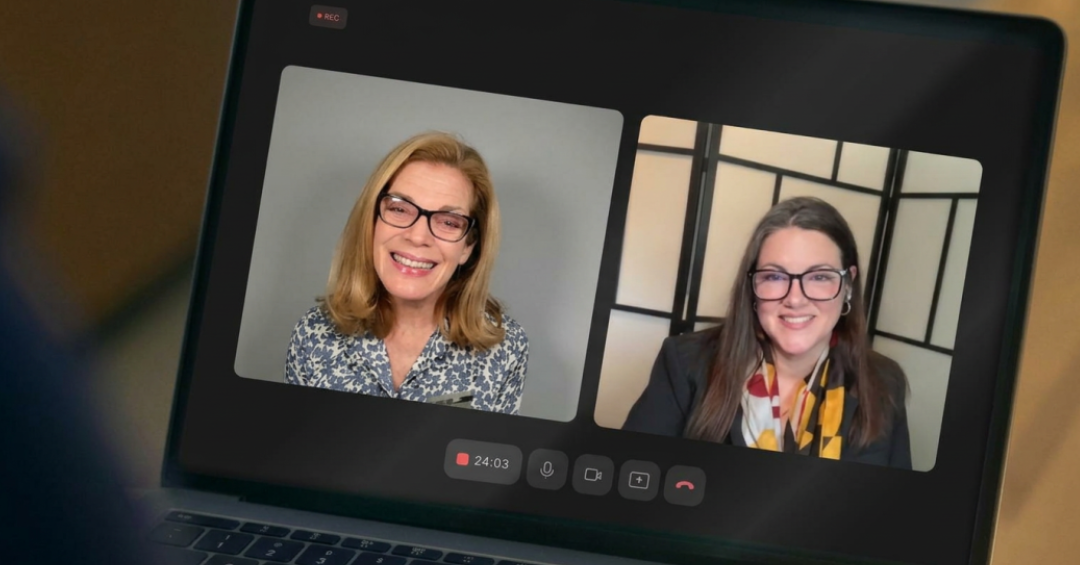
Why it's important for you to showcase your expertise
Every day, patients search for answers before they ever make an appointment. A 15-minute conversation puts your voice in front of them at exactly the right moment - when they are searching for that information.
10-15 minTypical recording session, start to finish
ZeroSpecial equipment needed - Your laptop or smartphone works fine
LastingYour episode stays searchable and accessible for years
Featured Interview
Hear it directly from Dr. Scott Burger
Chief Medical Officer, University of Maryland Urgent Care — on why he participates and why he thinks every physician should consider it.
REPLACE WITH YOUTUBE EMBED:
SB
Scott Burger, DO, FAAEM
Chief Medical Officer UM Urgent Care
"Think of it as a conversation — the same kind of explanation you give a patient and their family every single day. You already know how to do this. The microphone just lets more people hear it."
— On overcoming hesitation about participating
The goal is education, not sales. Your name, specialty, and affiliation are shared at the start of every episode and promoted across web, podcast directories, and social media — extending your reach long after the recording is done.
Why Participate
The case for physician podcasting
Podcasting gives physicians something traditional media rarely offers: a direct, trusted line to the patients who need them most — before they make an appointment.
Patient Reach
Reach patients before they call
Patients research conditions and providers online long before booking. Your episode meets them where they're already looking - with accurate, expert information from a trusted source.
Credibility
Cut through the noise
The internet is full of competing health voices. A physician-led podcast helps patients find reliable, authoritative information - and positions you and your institution as the trusted source in your specialty.
Geographic Reach
Expand beyond your local market
Specialty procedures and novel treatments can reach patients well outside your immediate area - including people who may never have considered your system until hearing your episode.
Professional Profile
Build your digital presence
Each episode is promoted across the web, podcast directories, and social media. Your name and expertise become part of a lasting, searchable record that works for you long after recording.
Common Questions
Addressing physician hesitations
A few answers to your common questions.
"I don't have time."
Most sessions run 10–15 minutes. You'll receive the questions in advance if requested, so there's no prep beyond what you already know. Your schedule stays intact.
"I'm not a media person."
You don't need to be. Our host guides the entire conversation. Just talk the way you'd explain something to a patient and their family - that's exactly what makes it resonate with listeners.
"I don't have recording equipment."
A computer or smartphone, a quiet space, and a good internet connection is all you need. Modern technology has made professional-quality recording completely accessible - no studio required.
"Why does my participation matter?"
It lets you care for more people. One episode can answer questions that hundreds of patients never got to ask - and connect them to care they may not have known was available.
The Process
What to expect
The entire process is designed to fit around your schedule with minimal lift on your end. DoctorPodcasting handles everything after we hit record.
1
Simple questions, natural conversation
We ask the kinds of questions physicians answer every day — no memorization or special preparation needed.
2
Connect online from your computer
Before the interview, we’ll do a quick tech check to make sure everything sounds great before we start recording.
3
15-minute conversation
Our host guides the discussion. You just talk — no scripts, no memorizing.
4
We handle everything else
Editing, publishing, promotion, and distribution — all managed by our team.
Guest Preparation
Before and during your session
A few quick tips to help you show up feeling confident and prepared.
What to wear on camera
Solid colors photograph best - blue is always a reliable choice
Avoid tight patterns like pinstripes, small dots, or houndstooth
Skip shiny fabrics, reflective jewelry, and noisy accessories
Lab coats are welcome - keep it clean and include your institution's logo
If using a green screen, do not wear green
How to communicate on air
Know your key messages, but don't memorize lines - natural conversation resonates
Use plain language your patients would understand - avoid medical jargon
Slow down and enunciate - listeners can't reread the way they can with text
Use real patient examples within HIPAA guidelines - they're powerful and memorable
Keep water nearby and relax - you were invited because your expertise matters